Being genuinely interested in your science fair project is vital for success, especially for a human subjects project. This type of project requires more preparation and patience to ensure that your project is safe and ethical for your participants. A fascinating topic fuels passion, curiosity, and dedication, driving you to explore and experiment with enthusiasm. When you are excited about your topic, your commitment to learning and finding answers deepens, leading to a more fulfilling and impactful science fair experience.
How did you come up with the idea for your project? Did you simply search the web for inspiration, or was the idea uniquely yours from the start? Having a personal connection to your project can be captivating for others. Your passion and genuine interest shine through when you present. Sharing your personal story creates an emotional connection, making your project relatable and memorable, enticing others to take a keen interest in your work.
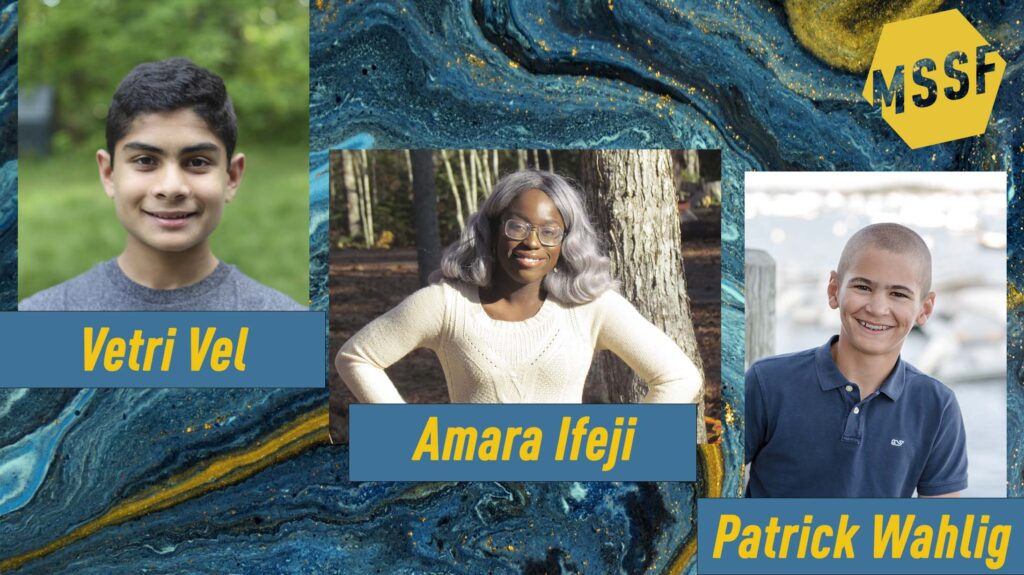
The 2020 winners of MSSF all had something in common: passion. Vetri was inspired by an elderly neighbor who fell while alone in her house. Amara was fueled by the injustices in the Flint, Michigan water crisis. Patrick took his love for fishing and ran with it. Click on each student's name to see their project abstract.
The Maine State Science Fair has seen many students whose projects have deep meaning to them. Students have been inspired by loved ones who suffer from health conditions, environmental problems in their favorite natural spaces, and their own learning challenges to name a few. If your project is meaningful to you, then you will have no problem capturing the interest of others.
True Story: The Stanford Prison Experiment
"Prisoner" lineup (Photo credit: Philip Zimbardo)
The Stanford Prison Experiment, conducted in 1971 by Philip Zimbardo, aimed to study the psychological effects of perceived power and authority. College students were assigned roles as prisoners or guards in a simulated prison environment. The study quickly escalated into abuse, cruelty, and psychological harm inflicted by the “guards” on the “prisoners.” It was terminated after just six days due to ethical concerns (source).
We use cookies to ensure that we give you the best experience on our website. If you continue to use this site we will assume that you are happy with it.