FIRE: Is Your Project Feasible?

Every science fair project requires time to plan and carry out, but a project involving human subjects can take much longer. This is because the Institutional Review Board must approve your research plan before you begin working with your participants.

An Institutional Review Board (IRB) serves as a safeguard for ethical research. Its purpose is to review and approve studies involving human subjects, ensuring that participant rights, welfare, and privacy are protected. The IRB’s role is vital in upholding ethical standards and maintaining the integrity of research conducted within an institution – in this case, the Maine State Science Fair.

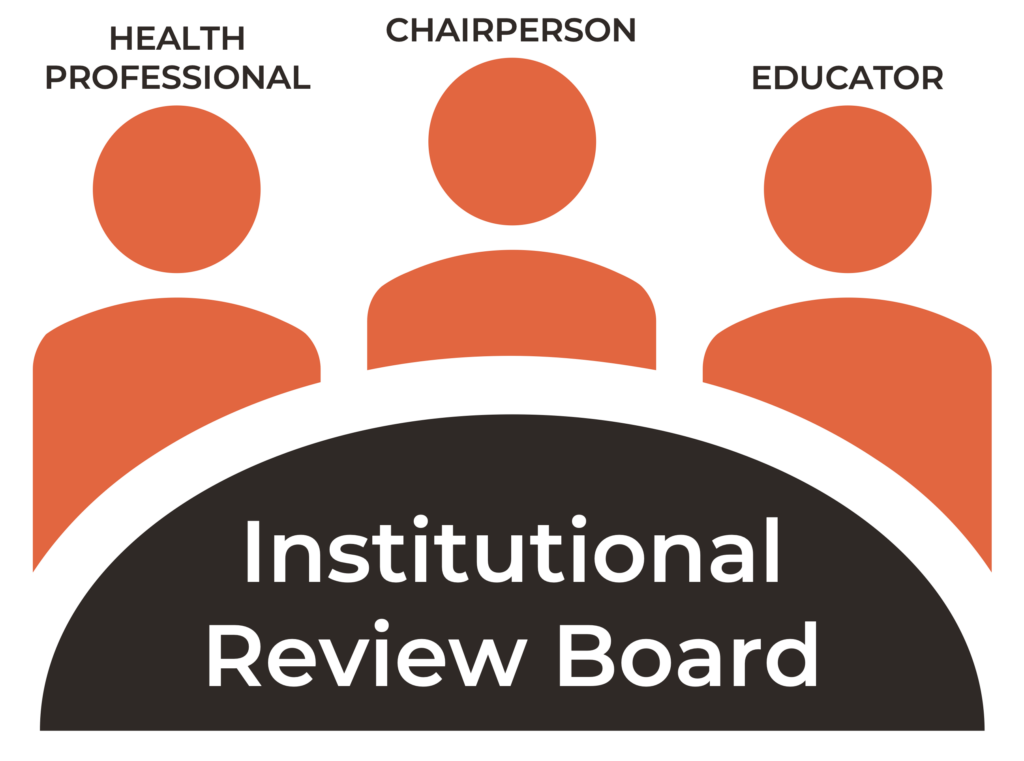
MSSF has an IRB that is made up of a Chairperson, an Educator, and a Health Professional. These three people work together to review research plans submitted to ensure that the projects will not put participants in harm’s way. Each member brings a unique perspective to the review process, ensuring that all aspects of participant protection are considered.

The IRB consists of a chairperson, a medical professional, and an educator.

The MSSF IRB meets every two weeks from November to February. In order to submit your project to be reviewed by the IRB, you must submit:

  • Your Research Plan,
  • Any required forms identified by the LaunchPad Forms Wizard,
  • Any surveys or tests your participants may complete, and
  • The certificate showing that you completed this course.

The deadlines for submitting these materials are listed in the MSSF Rules. Want to see a sample Research Plan? Check out this one for a sense of what it entails.

Once the IRB reviews your project, they will contact you via email to let you know whether your project has been approved or if it needs to be changed in any way. If you need to make changes, please do so as quickly as possible so that the IRB can look at your project again.

You may NOT begin your experiment until you have approval from the IRB.

True Story: The Tuskegee Syphilis Study

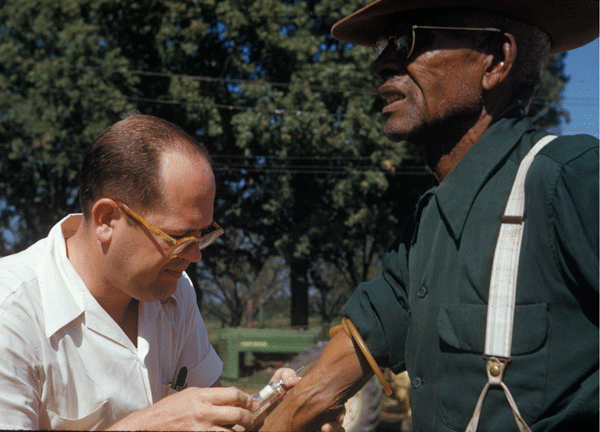
Man being injected with placebo. Credit: CDC (public domain)
A researcher injects a participant with a placebo. (Photo credit: CDC, public domain)

The Tuskegee Syphilis Study was an unethical research study conducted between 1932 and 1972. It aimed to observe the natural progression of syphilis in African American men without informing them of their diagnosis or offering treatment, even after a cure became available. The researchers told participants that they were being treated for “bad blood.” The study violated ethical principles, causing immense harm to participants and their families. It highlighted the crucial need for informed consent, participant welfare, and adherence to ethical guidelines in human subjects research (source).

Click "Mark Complete" to move to the next lesson.